Container Trucking Company: How to Prevent Costly Delivery Mistakes Before Dispatch
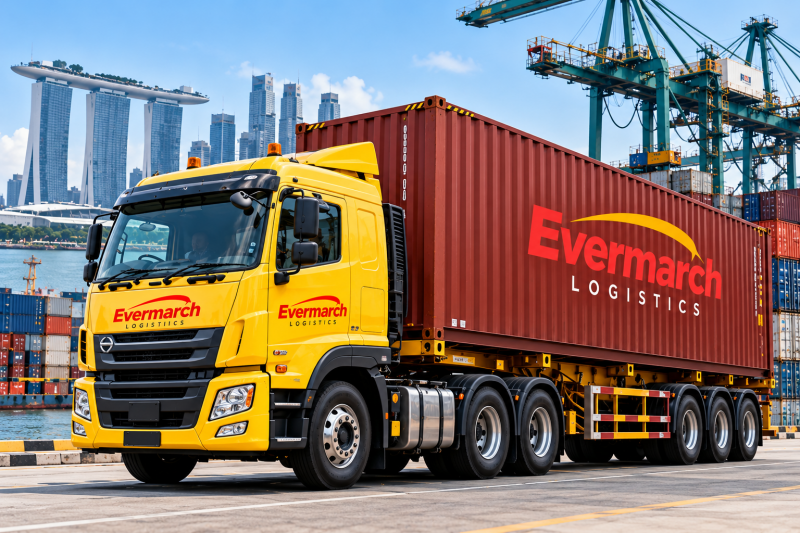
A trucking mistake does not always begin on the road. In many cases, the problem starts when cargo details are incomplete, the delivery address is incorrect, the receiving warehouse is unprepared or the responsibilities between the shipper and transport provider have not been clearly agreed. For businesses moving commercial cargo, working with a suitable container trucking company and establishing a reliable pre-dispatch process can help prevent avoidable operational problems.
For importers, exporters, manufacturers and distributors, a failed collection or delivery can create additional work for warehouse staff, purchasing teams and customer service personnel. The solution is not simply to demand faster transportation. It is to improve the information, preparation and coordination that take place before the truck leaves.
Why Small Booking Errors Can Become Bigger Problems
Container trucking depends on accurate information from several parties. The shipper provides cargo details, the transport provider assesses the vehicle and route, and the receiving location prepares for delivery. If one part of this process is based on incorrect information, the entire movement may need to be adjusted.
For example, an incorrect container specification may affect vehicle allocation, while an incomplete delivery address can make it difficult to plan site access. These issues are often easier to resolve before dispatch than after a truck has already been assigned.
Six Common Container Trucking Mistakes to Avoid
1. Providing Incomplete Cargo Details
A quotation based on missing dimensions, inaccurate weight or an unclear cargo description may not reflect the actual transport requirements. This can lead to revised charges, equipment changes or additional planning once the shipment is reviewed.
Prepare a consistent shipment brief that includes the cargo description, container size where applicable, gross weight, dimensions, pickup address and delivery destination. Add photographs or supporting information if the cargo has unusual handling requirements.
2. Assuming Every Vehicle Can Handle Every Shipment
Different cargo movements require different equipment and loading arrangements. Heavy cargo, unusual dimensions, restricted access or specialised unloading requirements may affect the suitable transport option.
A container trucking company in Singapore should be given sufficient information to assess the shipment before confirming the proposed arrangement. Businesses should not assume that a vehicle suitable for one delivery will automatically suit another shipment.
3. Booking Before the Cargo Is Ready
A collection can be disrupted if the goods have not been packed, the necessary documents are unavailable or the loading area is occupied. Even when the transport provider arrives as planned, the shipment may not be ready to move.
Assign an internal person to confirm cargo readiness before dispatch. Check packaging, loading arrangements, documentation and any collection instructions that must be completed before the truck arrives.
4. Overlooking Receiving-Site Requirements
The destination may have restricted access, limited receiving hours or specific unloading procedures. If these details are not shared, the truck may arrive at an unsuitable time or encounter difficulties entering the facility.
Confirm the full address, contact person, access instructions and unloading arrangements with the receiving team. For commercial sites with appointment-based deliveries, ensure the agreed window is documented and communicated to the relevant parties.
5. Leaving Customs Documentation Until the Last Minute
Cross-border shipments may require commercial documents, declarations, permits or other supporting information depending on the goods and transaction. Missing or inconsistent information can create questions that need to be resolved before the shipment progresses.
Prepare the relevant documents early and clarify who is responsible for each requirement. If the logistics provider offers customs and trade documentation consultancy, confirm the exact scope of support rather than assuming that every declaration or approval is included.
6. Failing to Agree on Charges and Responsibilities
A transport booking can become difficult to manage when the quotation does not clearly explain what is included. Waiting time, additional handling, special equipment and extra stops may be treated differently by different providers.
Ask for clarification before confirming the service. Your team should understand the quoted scope, any conditions that may result in additional charges and the person responsible for approving changes to the arrangement.
Build a Simple Pre-Dispatch Checklist
A consistent checklist helps your team catch preventable errors before collection. The following items are a useful starting point for routine commercial shipments.
- Cargo description, container specifications and gross weight confirmed.
- Collection and delivery addresses checked.
- Cargo packed and ready for loading.
- Relevant shipping and customs documentation reviewed.
- Vehicle and handling requirements discussed with the provider.
- Receiving-site access and delivery window confirmed.
- Quotation, service scope and potential additional charges understood.
- Contact persons identified for collection and delivery coordination.
The checklist should be adapted to the cargo and route rather than treated as a universal substitute for regulatory or operational requirements. Controlled goods, specialised cargo and cross-border shipments may need additional checks.
How to Review Problems After a Delivery
If an issue occurs, record what happened, when it happened and which part of the process contributed to the problem. Determine whether the cause involved inaccurate cargo details, late readiness, a documentation issue, site access or an external event that could not reasonably have been prevented.
This approach helps businesses improve their own procedures while having more constructive discussions with the trucking provider. Reviewing recurring issues is more useful than focusing only on individual incidents without identifying their underlying causes.
Why Consider Evermarch Logistics?
Evermarch Logistics offers cross-border freight management, customs and trade documentation consultancy, warehousing and distribution. These services can be relevant to businesses that need to coordinate commercial transportation with documentation or other logistics activities.
Before booking, share your cargo details, destination, collection schedule and any special requirements. Ask the team to clarify the available services and the responsibilities that apply to your particular shipment.
Frequently Asked Questions
What is the most common cause of container trucking problems?
There is no single cause for every shipment. Incomplete cargo information, unclear responsibilities, documentation issues and unprepared receiving locations are all potential sources of avoidable disruption.
How can a business reduce failed collections?
Confirm that the cargo is ready, the documentation is available, the collection address is correct and the loading arrangements have been agreed before dispatch.
Should every trucking booking have a checklist?
A checklist is particularly useful for recurring commercial shipments because it standardises preparation and reduces reliance on memory. Adapt it to the cargo, route and service requirements.
Reduce Avoidable Trucking Problems with Evermarch
Every preventable delivery mistake takes time away from the work that keeps your business running. If you need a container trucking company in Singapore for commercial cargo movements, discuss your shipment requirements with Evermarch Logistics and clarify the transport arrangements before dispatch. Visit https://www.evermarch.com.sg/choosing-container-trucking-company.php to learn what to assess when choosing a trucking provider and take action towards a more organised shipping process.

Navigating international border regulations
Efficient container haulage across borders demands rigorous customs compliance and precise documentation. Discover how modern tracking protocols and streamlined border procedures minimise transit delays and safeguard critical supply chains.

Optimising port turnaround for intermodal freight
From container terminals to regional distribution hubs, seamless transitions between sea and road transport dictate delivery performance. Learn how specialised fleet coordination reduces dwell time at maritime gateways.

Modern fleet efficiency and driver safety
Long-distance container transport requires high-specification vehicles, real-time telemetry, and proactive maintenance. We examine how advanced fleet technology fosters driver welfare whilst meeting stringent environmental standards on the road.